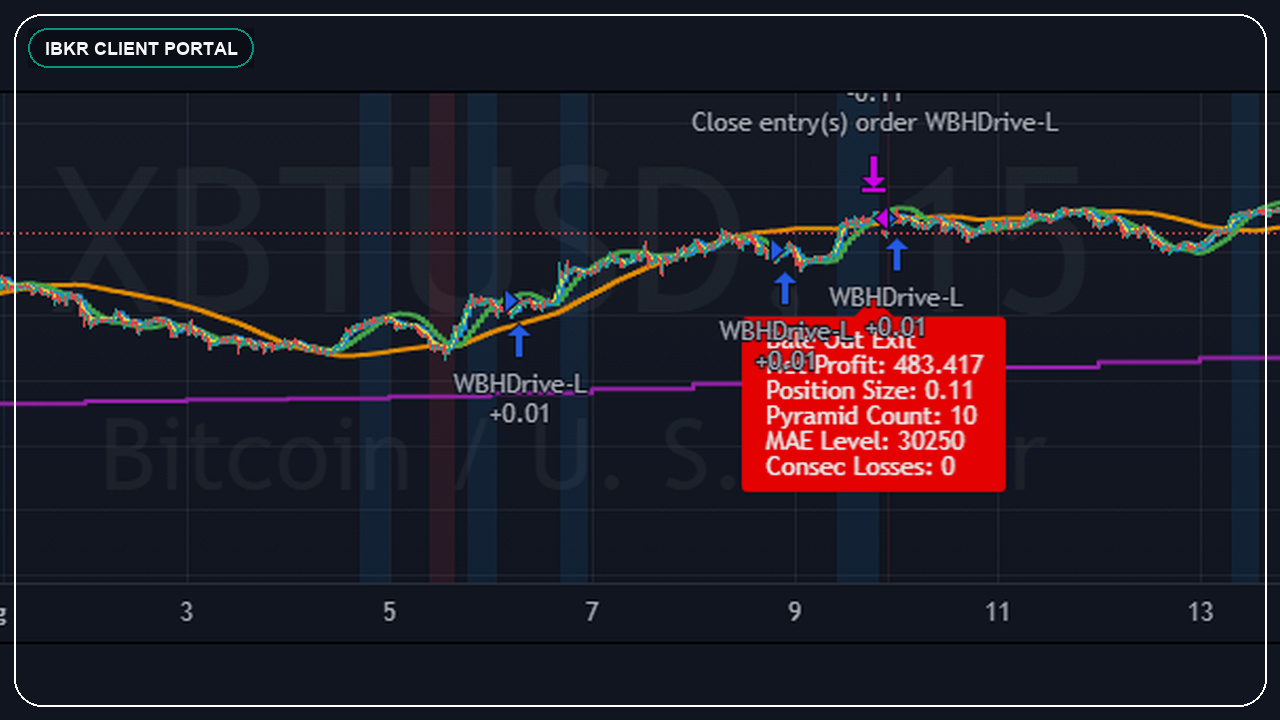
What actually works for TradingView to Interactive Brokers Client Portal automation in 2026
The stable architecture for TradingView to Interactive Brokers Client Portal is still TradingView alert -> HTTPS webhook -> validation layer -> Interactive Brokers Client Portal order flow. That structure matters because chart alerts and broker execution have different jobs, and most failures happen when traders pretend they are the same thing.
The cleanest systems treat the TradingView side as signal generation, not as a trading engine. Your bridge should decide whether the alert is valid, whether it is a duplicate, whether the session is tradable, and whether the account state still allows the order to be sent to Interactive Brokers Client Portal.
That sounds less glamorous than “fully automatic in five minutes,” but it is exactly why reliable automation survives live trading. Production quality comes from separation of concerns, not from skipping layers.
- Use TradingView for the chart logic and alert trigger.
- Use a bridge layer for payload validation, dedupe, and risk checks.
- Route into the broker API only after the message is accepted.
- Track every alert, rejection, and broker response in logs.
How to configure TradingView alerts without creating fragile automation
TradingView’s webhook documentation gives several non-negotiable limits that many traders skip. Webhook alerts use an HTTP POST request, support only ports 80 and 443, require two-factor authentication on the TradingView account, and cancel the request if the remote server takes more than three seconds to respond. That means your endpoint should acknowledge fast and offload heavier processing cleanly.
I also recommend treating every alert payload as a versioned message, not as a human note. Include symbol, side, timeframe, strategy name, and a version or event key so the bridge can interpret the alert consistently and prevent duplicates.
For most production systems, bar-close alerting is still the safer default. It keeps the alert behaviour aligned with confirmed data instead of firing on intrabar movement that may disappear by the candle close.
- Use JSON payloads with explicit fields instead of free-form text.
- Include a unique event or version key so duplicate alerts do not become duplicate orders.
- Keep the webhook response fast and move broker logic into controlled processing.
- Test rejected alerts as seriously as accepted ones; they reveal bad assumptions early.
I scope TradingView-to-Interactive Brokers Client Portal automation around alert design, broker auth, logging, retries, and safe failure behaviour, not just the happy path.
WhatsApp for a 3-minute quoteWhat the Interactive Brokers Client Portal API changes on the execution side
Interactive Brokers is where overly simplistic automation ideas fail fast. The IBKR side is designed for real account and order complexity, so the clean path is TradingView signal intent first, Client Portal or IBKR execution logic second, and monitoring throughout.
That means authentication, account context, contract identification, and order-state handling should all sit in the IBKR bridge layer. The TradingView alert is the start of the workflow, not the entire workflow.
IBKR workflows especially benefit from strong logging because the trader often needs to understand not only whether a request was accepted but also how the contract, account, and order state evolved after the first response.
- Treat authentication and token lifecycle as part of the strategy stack.
- Use broker-side identifiers and tags so orders stay traceable.
- Subscribe to or capture order updates instead of assuming the first API response tells the whole story.
- Centralize broker calls so rate limits and error handling are visible.
Operational mistakes traders make with Interactive Brokers Client Portal automation
The common IBKR error is importing a lightweight retail webhook mindset into a broker stack that is more institutional in behaviour. The stronger design is slower to set up and much easier to trust later.
A second mistake is trusting the chart more than the system. If the broker side rejects, queues, delays, or partially fills the order, your trader brain still needs visibility. That is why monitoring is part of the strategy, not a separate admin task.
The stronger alternative is simple: treat TradingView, your bridge, and Interactive Brokers Client Portal as three linked systems with different responsibilities. Once you work that way, the design becomes safer and debugging becomes much faster.
- Do not place blind trust in direct chart-to-broker promises.
- Keep session controls, duplicate protection, and explicit order intent outside the chart.
- Review all broker rejections and timeouts; they usually reveal missing assumptions.
- Test kill-switch behaviour before any meaningful live rollout.
A production checklist before you go live
The best automation stacks feel boring when they are done well. Alerts arrive cleanly, the bridge decides predictably, the broker response is captured, and the operator always knows where a failure occurred. That boring quality is the goal.
When I build a TradingView-to-Interactive Brokers Client Portal workflow, I want the trader to know exactly what happens if the same alert arrives twice, if a token has expired, if the broker rejects the order, or if the market session rules change. That is what makes the setup usable after the excitement wears off.
- Use confirmed-bar logic unless you have a tested reason to do otherwise.
- Return webhook responses quickly and process execution in controlled steps.
- Log accepted alerts, rejected alerts, and full broker responses.
- Monitor order updates or postbacks instead of relying on a single HTTP response.
- Test operator controls, retries, and shutdown behaviour before going live.
Send the chart idea, broker, market, and goal on WhatsApp. I can usually tell you quickly whether it needs a custom indicator, a strategy audit, an alert fix, or a broker-ready automation layer.
Related services
Frequently asked questions
Can TradingView place orders directly into Interactive Brokers Client Portal?
Not in the clean production sense most traders want. TradingView sends alerts; a bridge or execution layer still has to validate the message and then interact with Interactive Brokers Client Portal using the supported auth and order flow.
What is the safest TradingView alert frequency for live automation?
For most systems, Once Per Bar Close is the safer default because it aligns with confirmed values and reduces false triggers that disappear before the candle closes.
Why do duplicate trades happen in Interactive Brokers Client Portal webhook automation?
Duplicates usually come from repeated alerts, reconnect behaviour, or missing event keys in the bridge. Idempotency and proper logs fix that, not guesswork.
Do I need broker-side monitoring after sending the order to Interactive Brokers Client Portal?
Yes. A submitted request is not the same as a completed trade. You still need order updates, postbacks, or stream data so you know what actually happened after execution began.
Is the chart logic the hardest part of automation?
Usually no. The trickier parts are validation, auth, duplicate control, rate limits, and knowing exactly how the broker-side state changed after an alert was accepted.
Primary sources and references
I take on Pine Script indicators, TradingView automation layers, strategy audits, and broker-aware execution workflows when the goal is clear and the live behavior actually matters.