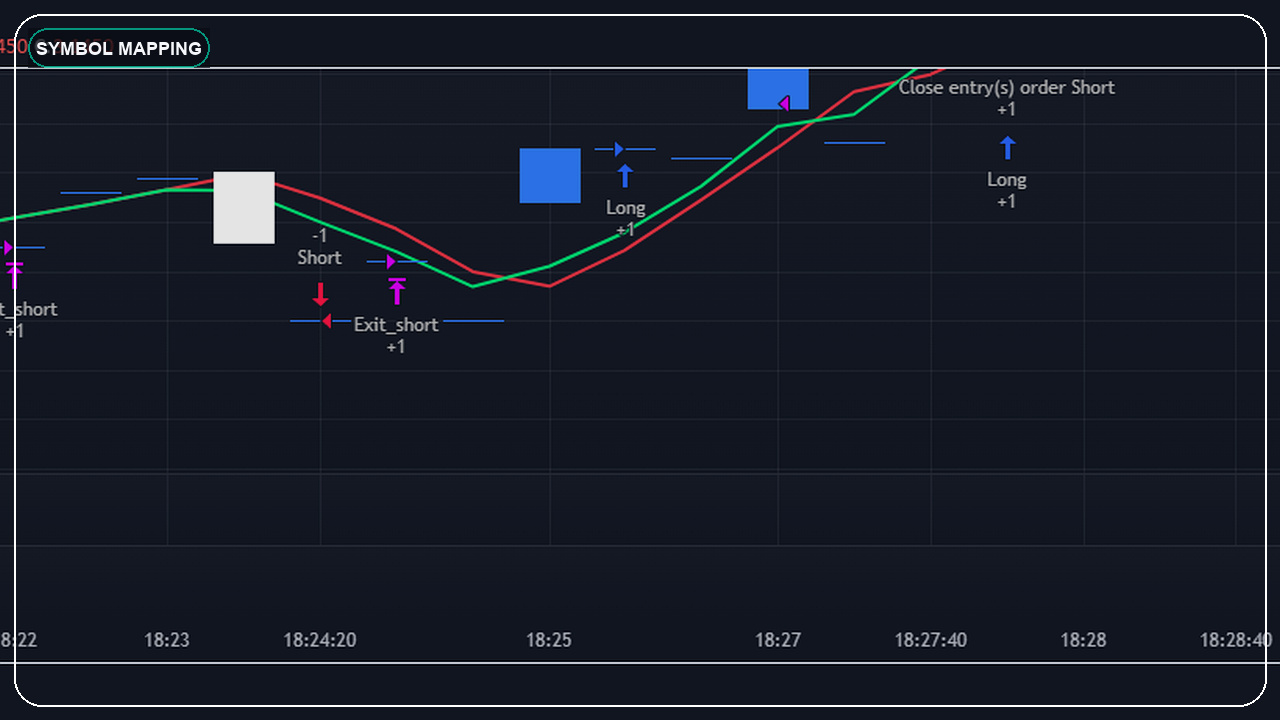
Why symbol mapping breaks otherwise decent systems
A lot of automation stacks feel stable until they meet real instruments. TradingView may describe a symbol in one way while the broker expects a different token, segment, or contract identifier.
If that translation is loose, the system can route orders to the wrong instrument or fail unpredictably. That is why symbol mapping is an execution-safety problem, not just a formatting detail.
Why one generic symbol string is not enough
Different brokers carry different instrument masters, token systems, and segment naming. A bridge that wants to support Zerodha, Upstox, Dhan, Angel One, or FYERS cleanly should treat mapping as a dedicated layer.
- store a broker-specific mapping table
- reject unknown symbols instead of guessing
- version mappings when strategy universes change
- test derivatives and expiry-sensitive instruments separately
How to keep mapping safe in a live bridge
The cleanest pattern is to let the TradingView payload describe the market intent, while the bridge resolves the final broker identifier using a validated internal mapping. That way you can change broker-specific symbols without rewriting every Pine Script alert.
This also makes auditing much easier when something goes wrong.
A practical checklist before you trust the route
- reject unknown or ambiguous symbols
- maintain explicit broker-side instrument maps
- test cash, futures, and options separately
- log both the incoming TradingView symbol and outgoing broker identifier
Send the chart idea, broker, market, and goal on WhatsApp. I can usually tell you quickly whether it needs a custom indicator, a strategy audit, an alert fix, or a broker-ready automation layer.
Related services
Frequently asked questions
Why is symbol mapping so important in broker automation?
Because even a perfect strategy becomes dangerous if the bridge sends the order to the wrong instrument.
Can I just pass the TradingView ticker to the broker?
Sometimes, but not safely as a general rule. Different brokers often require different identifiers or formatting.
Should unknown symbols be rejected?
Yes. Rejecting unknowns is far safer than guessing and placing an order on the wrong contract.
Does symbol mapping matter more for derivatives?
Usually yes. Futures and options add expiry and contract-detail complexity that should be handled explicitly.
Primary sources and references
I take on Pine Script indicators, TradingView automation layers, strategy audits, and broker-aware execution workflows when the goal is clear and the live behavior actually matters.